
For more than 10 years, I’ve been dying to explore Oaxaca and the waves of Salina Cruz. Though my visits to Mexico over the decades have been frequent, the many rave reviews of Punta Conejo and it’s surrounding breaks have been elusive.
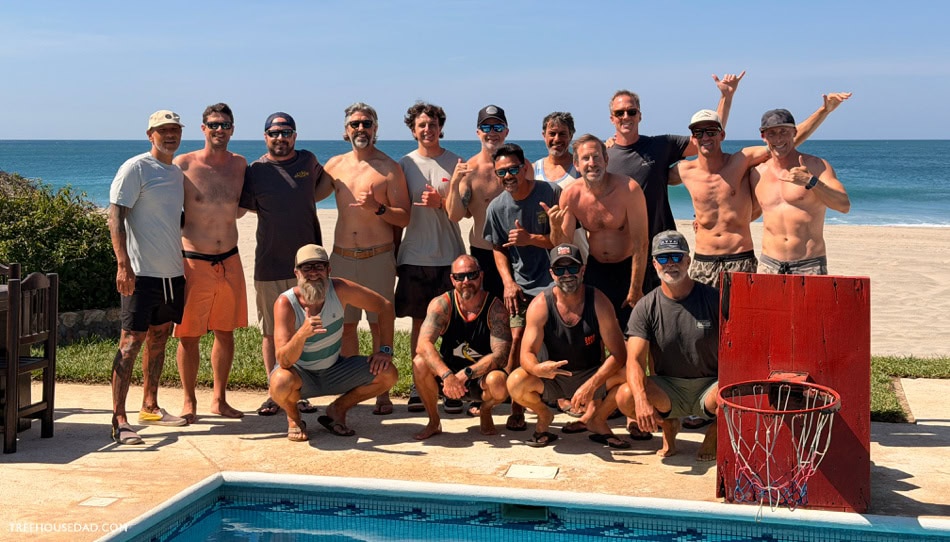
This was the first surf trip I’ve personally created for my buddies. Those invited were only the best of the best. Not the best surfers, though some rip harder than I could ever dream. The best HUMANS. Every surf trip I’ve ever been on, there’s always been at least 1 guy that got in a bar fight with locals, shit in the pool, or threw up in my shoes.
So, before you venture towards high season, surf season, in one of the most magical areas of Mexico, I’ve put together a list of things that need to happen, places to explore, and things to pack. I’ve also shared my own personal experience below (watch this video to see the waves we caught!)

What to Bring
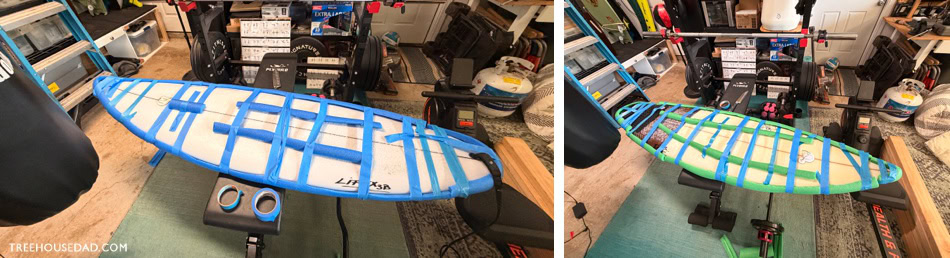
- Boards, wax, extra leash, beach towel – There aren’t any surf shops, so I brought 2 shortboards, plenty of wax, duct tape, and a few extra leashes. Having an extra board is a good idea (especially when you snap them on the regular like me…) They gave us pool towels, but we needed our own for the beach.
- Board Bags – Having a good travel board bag at the right dimensions is crucial. Also, have a day bag to throw into the trucks. We also used old pool floaties cut in half and taped to the boards for travel.
- Sunblock, surf shirts, extra boardies, a surf hat, and aloe vera. The sun was brutal on some of these long sessions. So hot.
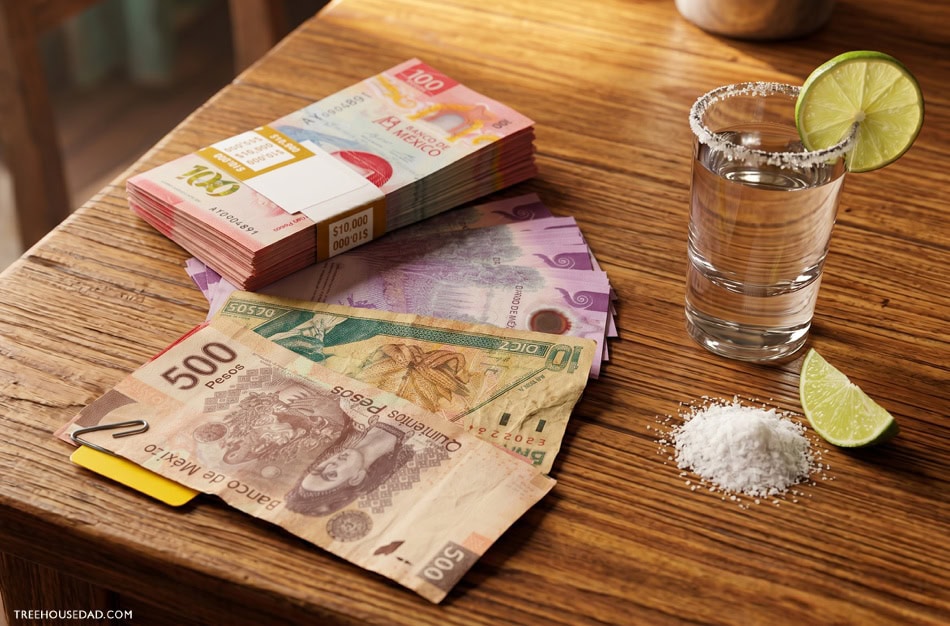
- $500-1000 USD converted into Mexican Pesos – For street merchants, extras and tipping. Credit cards are taken a plenty, but whatever I didn’t spend on those that didn’t take CCs was used to tip out the staff at the Punta Conejo Resort. Generally the surf guide’s get most of the tip, a good medium is $100 per person for the trip, Chef around $30-75, Housekeeper’s/security $20-50. The guides handle the photo/video package, generally they charge around $200+/person extra for the trip for photos and videos, you will negotiate with them upon arrival. Also, bring a credit card or 2. Other extra costs are for booze, massage ($50/30min, $80/hour), laundry services (50 pesos/5items), extra trips like fishing boats ($200-300/5people), etc… Exchange your money beforehand! Airport exchange is insane! The last one I went to took over 30%! Also, there’s nothing at HUX for exchange. Find one in a city near you with good rates, or order some from your bank. American Savings Bank says it’ll get it for me within 3 business days.
- First Aid – The resort might have it, but doesn’t hurt to bring some extra stuff. We had a doctor come that brought suture supplies to sew us up.
- Passport – Make sure it’s up to date! Must have 6 months of validity remaining and another photo ID (flying out of TJ may not require passport, not sure though.)
- Healthy Body – This is a challenge for some of us (me), but I did almost enough regular cardio to get the heart and lungs up to snuff. We all needed to have enough gas in the tank for at least 1 session a day. We surfed from 2-5 hours every day!


OPTIONAL
- Travel Insurance – I usually skip it, but I considered it.
- Phone Plan – Check to see if your carrier includes Mex. If not, there’s WIFI at the resort.
- Ear Plugs – If you snore or are a light sleeper, you need them. It’s usually 3-5 people to a room.
- Booze – Might be worth grabbing a plastic bottle for the suitcase beforehand, or try to grab some at the airport.
- Bug Protection – If you’re prone to mosquitos, bring something. Try to get non-toxic. If you happen to be down there when it rains or right after a rain the bugs can get kinda gnarly especially if there happens to be horse flies.
- DVDs – There’s no cable, and they have some DVDs, but if you have a favorite, grab it. They have Apple TV too.
- Electrolytes – and any other supplements that might help our old bodies recover long sessions and a potential long night or 7.
Best Routes
Southern California to Mexico
LAX-MEX-HUX – Volaris has a relatively inexpensive flight right now.
TIJ-MEX-HUX – Requires walking across the bridge (Cross Border Xpress.)
LAX-DFW-HUX – Definitely easier stopping in Dallas than in Mexico City.
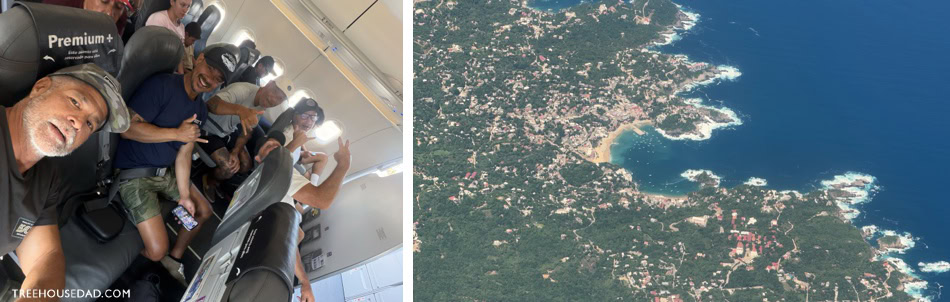
For Mexico City layovers, make sure you have enough time between flights to recheck your boardbags upstairs. Customs, etc…
Maui to Mexico
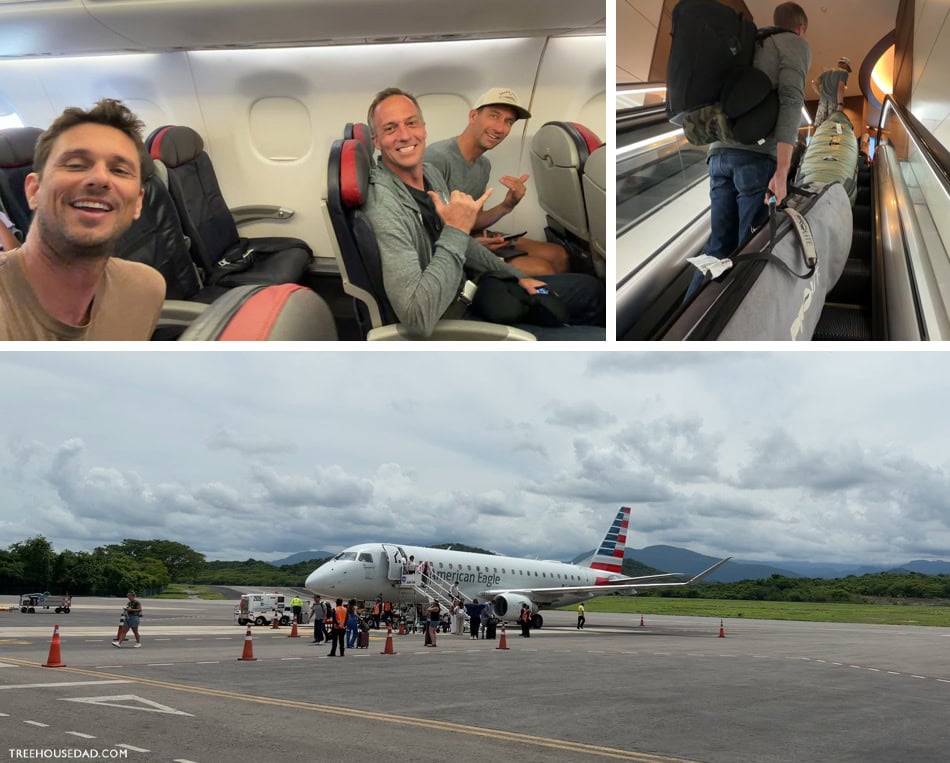
OGG-DFW-HUX – There are other flights, but the timing, pricing, and layovers suck. I also really like the idea of flying with a single airline and not having to recheck bags. We’ll see if that remains true once we’ve done it, since one layover is overnight in Dallas.
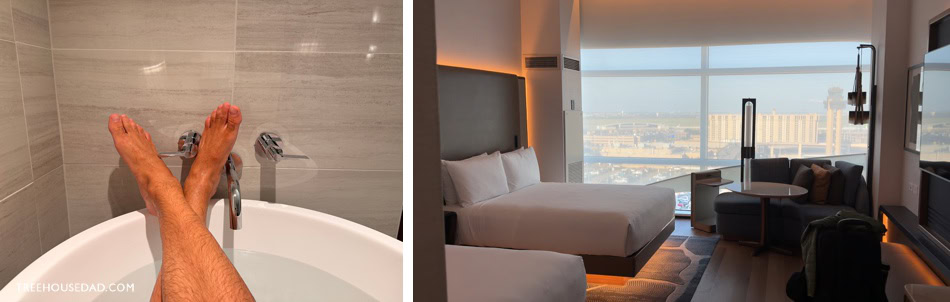
The Grand Hyatt at the Dallas Airport is EPIC, by the way.
Punta Conejo Resort Honest Review
All and all, it was one of the best surf trips we’ve ever taken. 16 surfers from Maui and all around California made it to Oaxaca! I’ll break it into sections, the good and bad:
THE GOOD
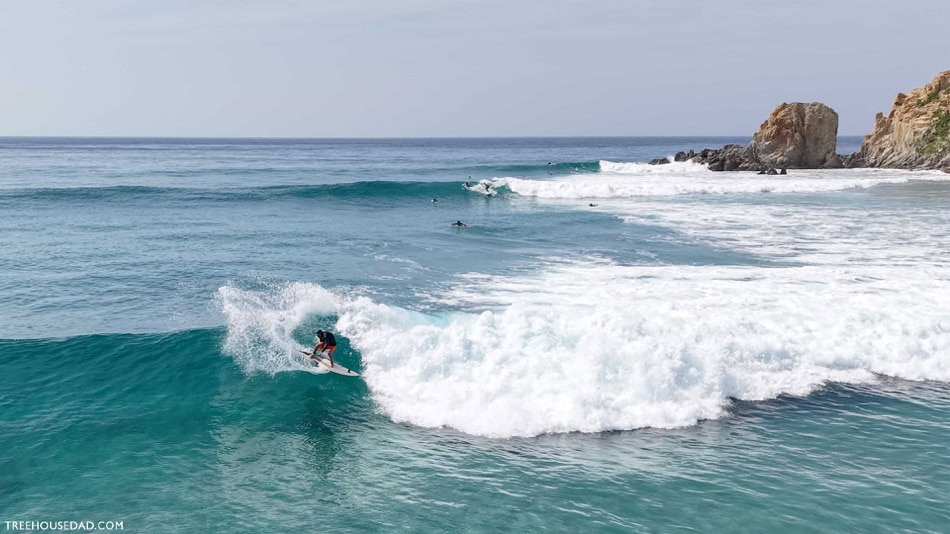
The Waves – You’re within a 2 hour drive in either way of endless amazing waves! Warm, clear water, often glassy, and not too crowded.
Food – It’s always a little scary entering into an all-included (other than booze) resort. They currently have this really nice Japanese guy named Toshi running the kitchen. Even though he doesn’t speak English or Spanish, some how his crew of Mexican cooks communicate with him and they pump out delicious meal after delicious meal! I can’t say enough about the food. If you were out surfing too long on a road trip, and you missed lunch, it was tragic. They have little burritos and snacks for the road, but those in-house meals are epic!
Guides – All the guides are amazing. They know the breaks incredibly well, and make camp at spots sometimes with no shade and erect everything you need to be comfortable (shaded tarps, chairs, coolers with beers, water, and food.) Not only that, but they are really good videographers and photographers. So, we got incredible land and drone footage. They’re there as long as you need them from sun up to sun down. Great guys!
Rooms and AC – I was worried 3-5 people to a room would be aweful. We managed to get it down to 3 per room. It ended up being plenty of space and the AC was GOLD! After every session, I came back and tried to nap in the cool. Never really worked, but that downtime kept me going.
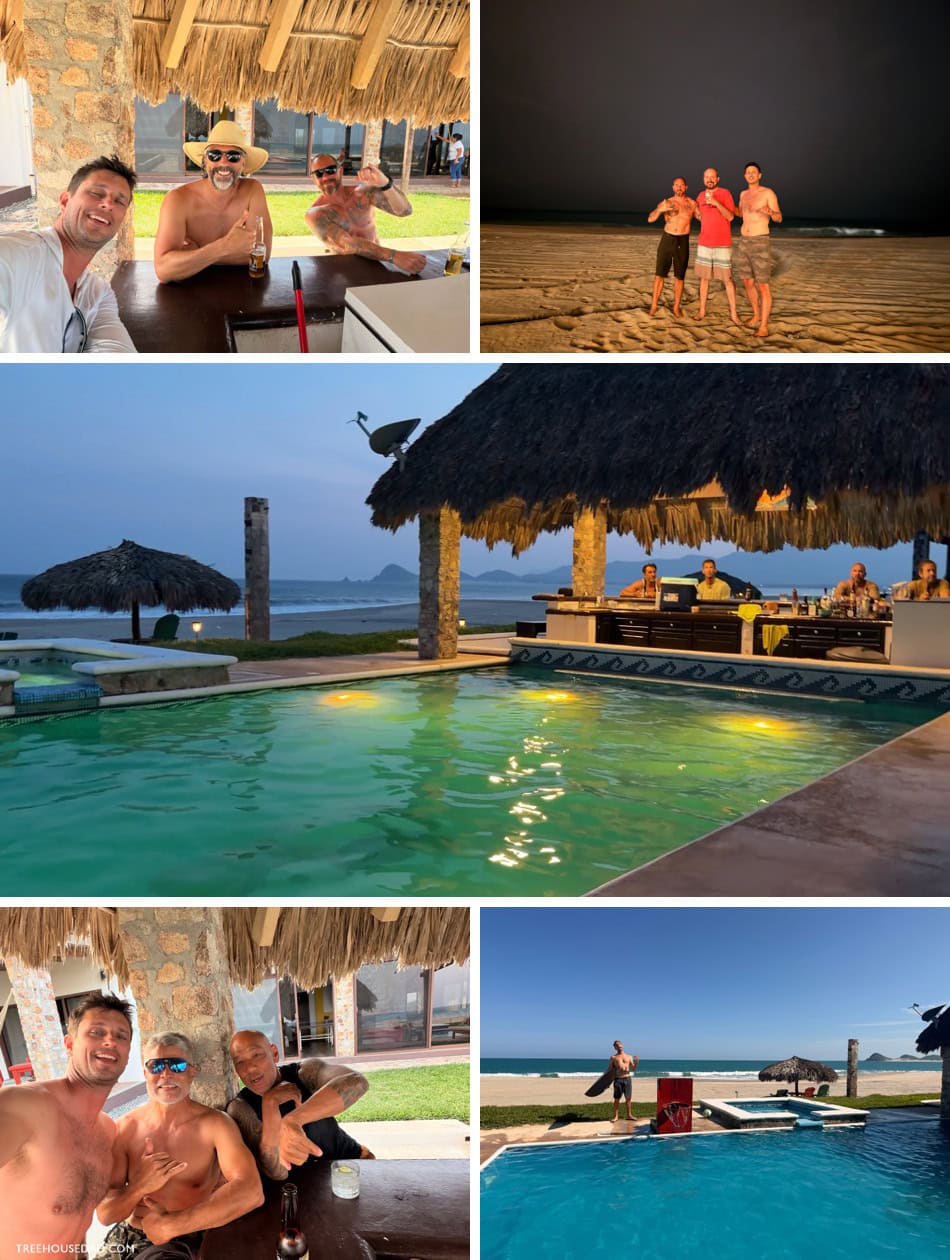
Pool/Jacuzzi/Games – The place is outfitted with everything you would want. The jacuzzi is hot at night, the pool almost cool enough during the hot days. The pool bar is serving after 11, and life is good! They have ping pong, fuzball, and pool (though the pool table has suffered some from years of ocean air.)
Massage – I regret not having booked a massage every single day. You know how when you travel, a lot of the times you get one of those weak tickle massages. Useless. This woman, Karlita, is a queen! She knew exactly where to break up the surfing knots. I was so impressed.
Location – Though Punta Conejo only really worked well a few times on our week of surfing, it was only a 2 minute drive down the beach. So easy! It’s gorgeous too. The waves directly in front of the resort were closeouts, but we enjoyed some sunset body womp missions. The area is a mix of lush green wetlands, dessert dunes, and rocky cliffs. It’s really beautiful.
THE BAD
Pricing – The only thing that really pissed me off were the changes in prices. Their reservations guy in Montana came back at me with different prices many times. I repeatedly said I wanted to take the week exclusively for us 16, and the updated price only came after I’d begun gather everyone’s money. It made it really hard for me to plan for 16 different people. Also, I was quoted with $200/surfer for their photo/video services. They wanted at least $200 (and worth every penny.) I had over 50 emails back and forth with the reservations people, and there was a lot of confusion and unanswered questions. It’s hard enough to gather money from 16 separate people, but to ask them all for money again afterwards really sucks. And then after all that, one of the airport transfers wasn’t on the original estimate, so I had to ask all 16 again for more money. Punta Conejo Resort is more expensive than most places nearby, but it’s still worth every penny. That said, I just wish it was a cleaner process for booking. Give me a price, and we’ll pay it, so we can move on and think about all the other logistics. Another cost that wasn’t mentioned was to enter some certain surf spots. Not much money per person, but should be shared.
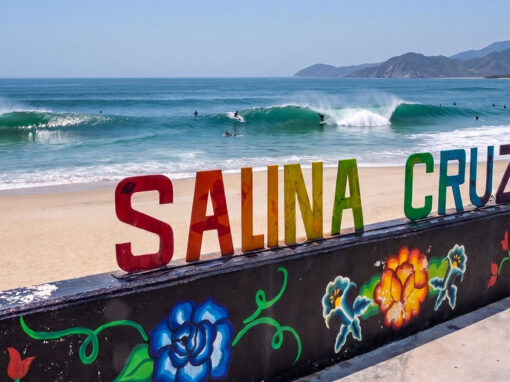
Salina Cruz Beach Breaks Closed – A gringo died recently, so you can’t surf there anymore. That’s what we were told. Bummer, but still plenty of great waves around.
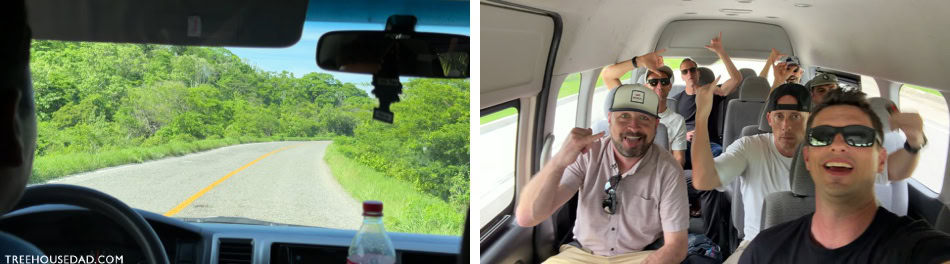
Airport Transfer – It takes 2.5-3 hours to get to Punta Conejo Resort from HUX. You just have to be ready for a long drive. The vans have AC, and the boards travel separate, so it’s as good as it can be. But, if you miss your flight, you’re paying for another transfer (see surfboard bags below.)
Surfboard Bags – This isn’t the resorts fault, but you need to pay attention to this! Take the measurement requirements VERY seriously. 2 of our guys got sent home because they had a few too many board bag inches. They had to fly out the next day after re-sorting their boards, and lost a lot of time and money.
- Maximum outside dimensions: 115 linear inches total
- Length + width + height = 115 inches or less
- Maximum weight: 70 lb
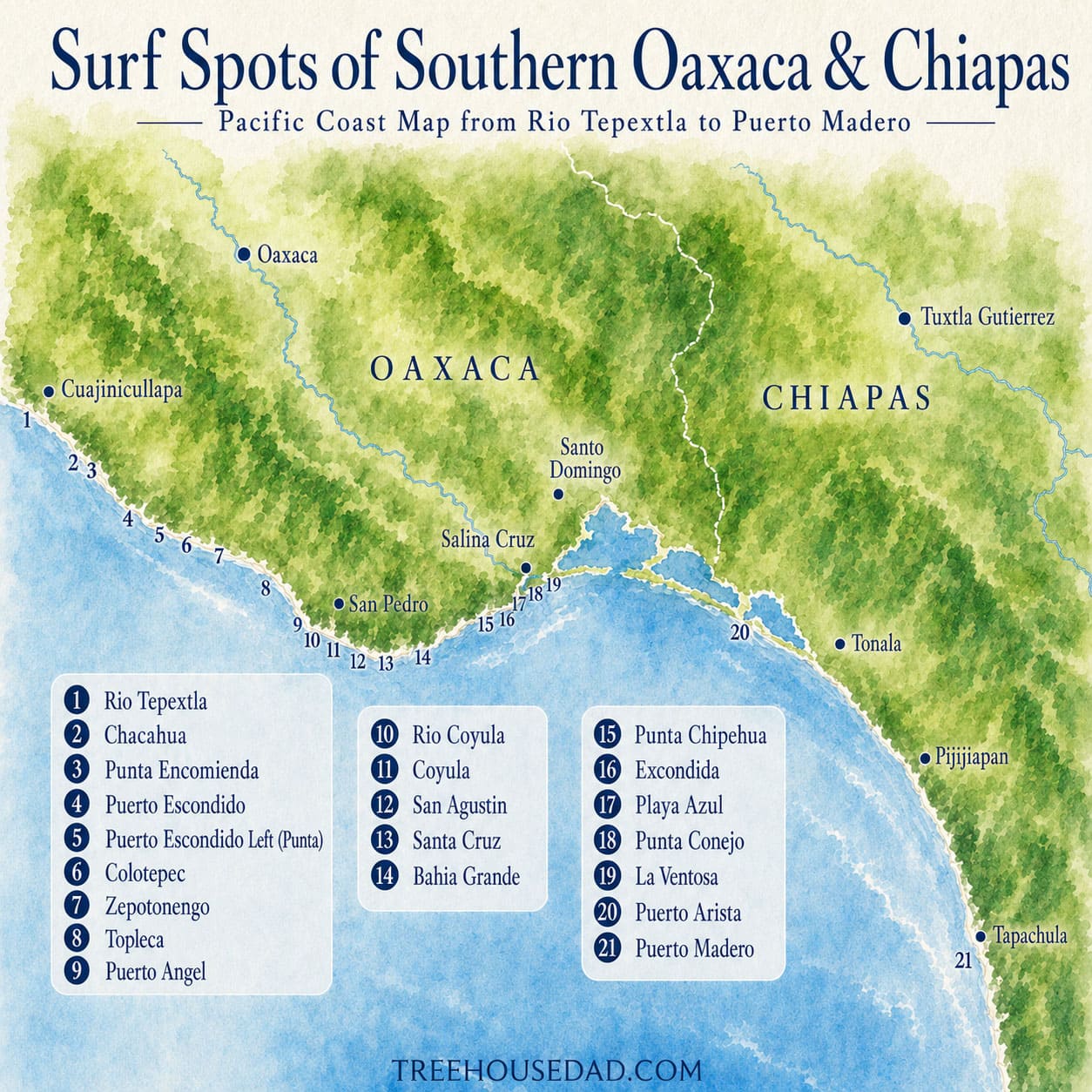
Southern Oaxaca Surf Spot Map
I created this map from many different sources online, so I can’t be certain yet of the exact locations. We only really surfed 3 spots, so I’ll see if I can update it the more we go down there.
Río Tapextla
Near the Guerrero/Oaxaca border, Río Tapextla is an exposed rivermouth break with a remote feel and relatively light crowds. It breaks both left and right, works best on South-Southwest groundswell, and favors offshore winds from the Northeast. Summer is generally the most consistent season, though winter can bring cleaner conditions.
Chacahua
Set inside Lagunas de Chacahua National Park, this laid-back surf village has a mellow, jetty-influenced right that is popular with longboarders, intermediates, and travelers looking for a slower scene. The wave can be fun year-round, with cleaner conditions often found in the dry-season months and larger Southern Hemisphere swells arriving in spring and summer.
Punta Encomienda
Punta Encomienda is a consistent sandbar break that works through much of the year. It offers lefts and rights over sand, handles South swell well, and is best with North offshore winds. It can be powerful and punchy, so it is better suited to confident surfers than total beginners.
Puerto Escondido / Zicatela
Zicatela is the famous “Mexican Pipeline,” one of the heaviest beach breaks in the world. It is a professional-level wave with fast, hollow barrels over a shifting sand bottom. Peak season usually runs from late spring through summer, when large South and Southwest swells can make it massive, dangerous, and spectacular.
La Punta / Puerto Escondido Left
At the southern end of Zicatela, La Punta is the more approachable alternative to the main beach break. It is a left-hand point-style wave with a sand-and-rock bottom, offering long walls, occasional barrels, and fun sections for intermediate and advanced surfers. It is also one of the busiest and most social surf zones in Puerto Escondido.
Colotepec
Near the mouth of the Río Colotepec, this wild, undeveloped stretch of coast can produce shifting sandbar peaks with plenty of power. It is less polished than the better-known Puerto Escondido breaks and should be treated with caution because of currents, river conditions, and occasional crocodile concerns around nearby lagoon and rivermouth areas.
Zepotonengo
Zepotonengo is an exposed beach break between Puerto Escondido and the Puerto Ángel/Pochutla coast. It picks up South-Southwest groundswell and offers both lefts and rights, with North winds generally best. It is raw, less developed, and can be powerful, so conditions should be checked carefully before paddling out.
Topleca
Topleca is better described as an exposed reef break than a simple beach break. It works best on South-Southwest groundswell with North winds and can produce left and right reef waves. It is lesser-known, but not necessarily mellow; expect sharper, heavier conditions than the more forgiving sand-bottom spots.
Puerto Ángel
Puerto Ángel is primarily a fishing village and sheltered bay rather than a major surf destination. The main bay is usually more protected, so surf is generally smaller and less consistent than the open coast. Nearby beaches are usually better bets, but Puerto Ángel can still be a scenic place for a casual check when the exposed breaks are too much.
Río Coyula
Río Coyula is an exposed rivermouth/point setup near the Huatulco area. It is fairly consistent, works best on South swell, and favors North winds. The area can produce both beach-break and rivermouth waves, with a much thinner lineup than the better-known surf towns.
Coyula
Coyula is the exposed beach-break zone next to Río Coyula. It offers lefts and rights over sand, works best with South-Southwest swell, and cleans up with offshore North winds. It is usually less crowded than Oaxaca’s better-known surf hubs but can still be powerful and raw.
San Agustín
San Agustín is a beautiful bay near Huatulco National Park and is more known for scenery, snorkeling, and beach time than consistent surf. When enough South swell wraps in, the bay can offer playful peaks, but it is not as reliable as the more exposed beaches and points nearby.
Bahía Santa Cruz
Bahía Santa Cruz is one of Huatulco’s main bays and has an exposed beach break that can be fairly consistent, especially with summer South-Southwest swell. It offers lefts and rights, works best with North winds, and can get busy because it sits close to town and the cruise ship area.
Bahía Grande
Bahía Grande is a remote Oaxaca beach break with a long sandy coast and multiple peaks. It favors South-Southwest groundswell and North offshore winds, and the waves tend to peel right when conditions line up. Access can be more involved, so a 4×4 and local knowledge are often helpful.
Punta Chipehua
Punta Chipehua is one of the standout breaks in the Salina Cruz zone. It sits near dramatic dunes and offers a mix of beach, reef, and point-break setups, with the area best known for long, clean right-handers when South-Southwest swell and North winds align.
Playa Escondida
Playa Escondida is a lesser-documented “hidden beach” option in the broader Salina Cruz zone. It is best treated as a local-knowledge spot rather than a guaranteed marquee wave. When conditions are right, it can offer powerful, hollow surf, but it is more of a secondary/guide-dependent option than a main public surf destination.
Playa Azul
Playa Azul is part of the Salina Cruz surf landscape, with fast walls, heavy sections, and strong currents when the swell is up. It is best for intermediate to advanced surfers who are comfortable with more exposed beach-break conditions and longer paddles.
Punta Conejo
Punta Conejo is one of the legendary right-hand points of Salina Cruz. On the right South-Southwest swell with offshore North winds, it can produce long, fast, world-class rides with open walls and barrel sections. It is one of the region’s signature waves and also an important conservation area.
Notes from a friend:
closest to the camp, very long friendly wave, best at lower to mid tide. Because of how easy it is to get to, a lot of people at the camp typically end their day at that spot. Very user friendly wave and very mellow. Great for mid lengths or higher volume/groveler boards.
La Ventosa
Just east of Salina Cruz, La Ventosa is a windy, exposed beach-break zone with multiple peaks. It can be consistent, but the wind can also be extreme and sometimes too strong. It is generally more open and less technical than the nearby points, but conditions can change quickly.
Puerto Arista
In Chiapas, Puerto Arista is a long, exposed beach break with lefts and rights over sand. It picks up South-Southwest groundswell and works best with North wind. The scene is much quieter than Oaxaca’s main surf hubs, but the coastline is open and currents can be serious.
Puerto Madero
Near the Guatemala border, Puerto Madero is a beach-and-jetty setup with powerful, often uncrowded surf. The jetties help shape the sandbars, and the north jetty can produce a hollow left on the right swell. It is best for experienced surfers because of the power, speed, man-made hazards, and variable water quality.
Things to do:
Here are some of the fun things you can do while down there.
- Surfy Surf
- Massage
- Ping Pong Tournament
- Pool time
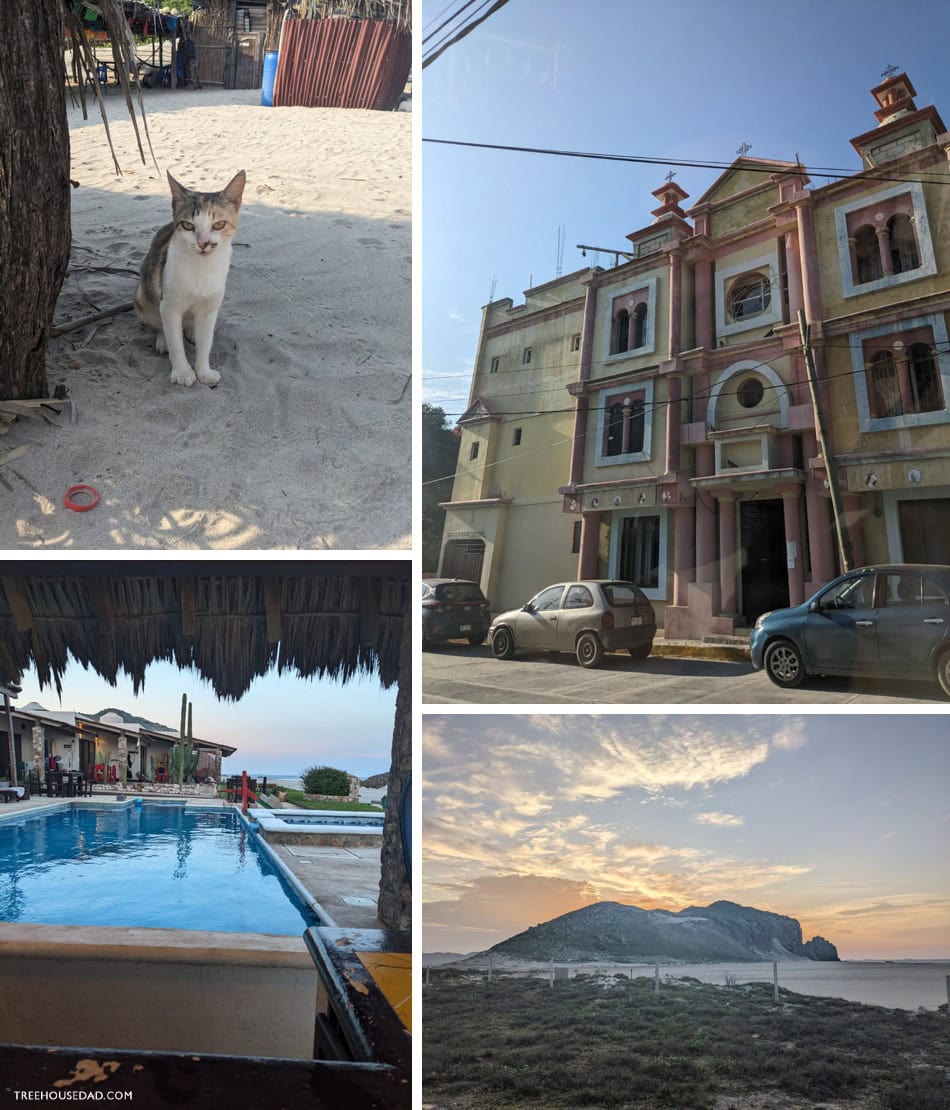
- Visit local towns
- Fishing Trip
- Game Tournament
- Stupid Movie Night (Waiting)
- Dark Story Night





You fail to mention anything about privatization of the breaks in the Salina Cruz area. You can’t just walk up to any break and expect to be able to surf without paying a guide. This is an important detail for any visitor to know.
Thanks, I still haven’t updated it to share our experience. I’ll add that soon.